
What Bozeman Buyers and Sellers Should Watch in August
The start of summer in Bozeman marks a noticeable shift in priorities. Surfacing from long winter months, locals soak up the sun with long days spent outdoors and with family, resulting in a natural real estate slowdown. But July brings an important transition as buyers refocus, sellers prep for fall, and the momentum built earlier in the season starts to swing back. This means August sees a lot of activity.
The local market has a distinct seasonal rhythm, with spring in the Gallatin Valley offering a glimpse into what fall trends will look like. As we move into one of the busiest annual closing periods, anticipating this pattern can help buyers and sellers make strategic decisions rather than react to increased competition.
A Change of Pace, Not Demand
June and July feel different. In Bozeman, these months are set apart, almost revered, as locals revel in a long-awaited Montana summer. Outdoor recreation, travel, and family activities create a busy season that takes buyers and sellers out of the market and into daily living.
But this seasonal slowdown doesn’t mean the market has weakened; it means attention has temporarily shifted elsewhere… and it will return.
A New Market in August
With the end of summer vacation in sight during August, families start planning for fall routines, buyers revisit listings with renewed focus, and sellers look to position themselves well before winter hits.
All of these factors add to the equation that experienced agents know well: The market doesn’t have an on-and-off switch; it follows a pattern.

Sourced from NBC Montana
What Spring Tells Us About Fall
No real estate market will ever be perfectly predictable, but the way spring moves can give an experienced agent insight into what to expect in pivotal upcoming seasons. By understanding broad patterns, not just scrutinizing isolated transactions, agents can identify demand and challenges, and better capitalize on evolving market conditions.
Buyer Demand
Bozeman’s spring market usually sees an uptick in buyer demand, as they actively search for listings, schedule showings, and submit offers. Strong demand in the spring signals this activity will pick back up in the fall, while slower activity could indicate that buyers are being more selective due to factors like pricing and interest rates.
Inventory Levels
The amount of housing available at a given time provides context for the leverage buyers and sellers may have. Agents closely watch how many homes are available, how many new listings appear, and if this inventory is meeting buyer demand. Limited inventory can mean more buyer competition, while increased inventory gives buyers more options and requires more strategy from sellers in factors like pricing and presentation.
Pricing Behavior
Spring indicates how the market responds to pricing expectations. This means agents must monitor whether homes are selling close to their asking price, receiving more than one offer, and/or necessitating price adjustments.
Movement
The market’s pace, measured by how many days homes sit on the market and how quickly they go under contract, reveals how much urgency buyers are currently feeling. Homes that are well-priced and positioned typically move quickly, while ones that stay on the market longer usually signal that buyers are spending more time deliberating and evaluating options.
Competition
Market segments behave differently, and examining which price points and property types are seeing the most movement allows agents to understand where the strongest competition lies. This helps create strategies for buyers and sellers that are locally evidenced and specific to their situation, rather than headline-reliant.
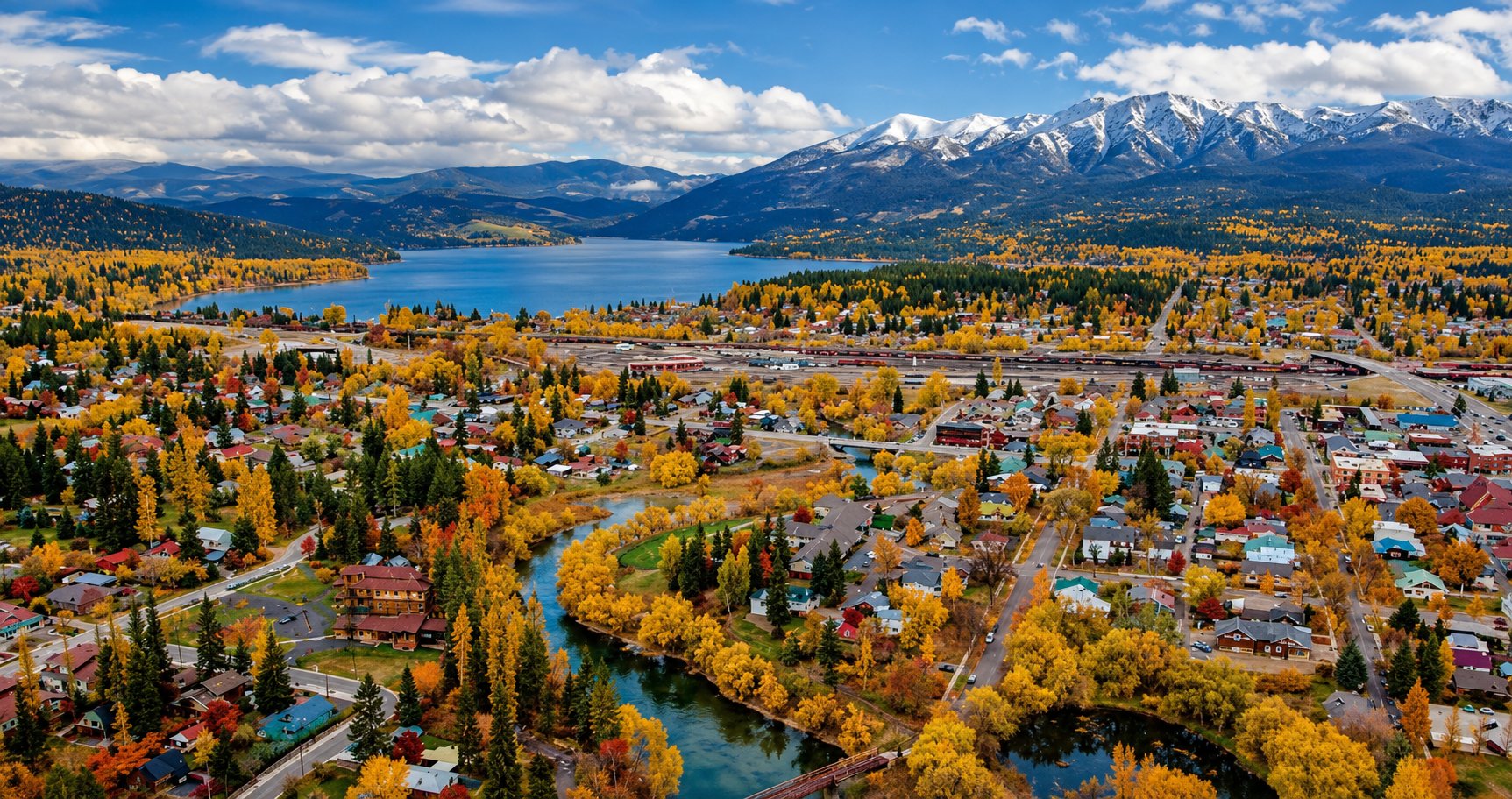
Sourced from Outside Bozeman
Why Fall in Bozeman Is a Strategic Window
These layers form the comprehensive picture agents carry into fall, a season where we see serious buyers start entering the market. September through November typically experience less competition than spring’s peak season, but sellers can be just as motivated by the opportunity to close deals before winter. That fact alone highlights how the right opportunities come to prepared buyers, not ones awaiting “perfect” conditions.
But proper preparation on the seller’s end matters. Strategic pricing becomes more important than ever, and factoring in the components above allows properties to maximize their strengths and tailor their positioning to current buyer demand. The best time to sell isn’t just one season; it's when preparation meets market conditions.
How Buyers and Sellers Can Prepare Now
August isn’t too late to get in on the action; it may actually be one of the best times to dive back into the market. Start preparing now. Pull out the pieces below that apply to you as a buyer or seller, create a to-do list, and start crossing things off. This fall could be the season you’ve been waiting for.
For Buyers
- Refresh your pre-approval
- Understand your dollar’s current purchasing power
- Talk with lenders and understand loan types
- Know your main priorities and note any deal-breakers
- Be prepared to act when the right home appears
For Sellers
- Complete any necessary maintenance projects
- Prep your home for photos and showings
- Understand current buyer demand and market expectations
- Build a realistic pricing strategy
Transitioning Toward Fall With Parent Properties
The market will keep shifting, but buyers and sellers who notice patterns, anticipate potential outcomes, and prepare early are bound to meet the right opportunities. Working with an experienced agent better positions you to make confident decisions, and as an agent, that’s my job. August is the perfect opportunity to prepare before fall’s activity begins. Don’t hesitate to reach out for help to do just that.